Homes that face strong seasonal winds demand a different standard of attention, especially around the garage. People often focus on roof fixings, windows, and outdoor furniture, and for good reason. Yet the garage door is one of the largest moving parts in the building envelope, and when wind pressure builds, that large opening can become a point of weakness if the door system is not in proper condition.
That matters for more than convenience. Queensland guidance warns that garage door failure can allow wind into the house and increase damage to roofs and walls. Once that pressure gets inside, the problem can escalate fast. For owners of wind-exposed homes, the conversation is not just about whether the door opens and closes. It is about whether the entire assembly, including the garage door tracks, the door itself, the frame, and any bracing arrangement, is suitable for the level of exposure the home garage door resource faces.
Tracks are not the most glamorous part of the system, but they are central to how the door behaves. They help guide the door through its travel, support predictable movement, and work in tandem with rollers, garage door springs, and garage door openers. When the home sits in an area affected by severe storms or cyclones, small maintenance issues can become larger structural concerns at exactly the wrong time.
Why tracks deserve special attention in windy locations
A garage door in a sheltered suburban street and a garage door on a coast-facing or storm-prone property do not live the same life. Wind exposure changes the operating environment. Doors may experience more frequent pressure changes, more driving rain, and a greater chance of being tested during severe weather events. Queensland authorities specifically advise homeowners to prepare before storm season, and part of that preparation includes making sure the garage door complies with the relevant wind-pressure requirements or has a bracing system ready to install before a cyclone.
That broader resilience advice tends to focus on the whole door, which is appropriate, but in practice the tracks deserve their own close look. If the tracks are out of condition, poorly secured, visibly damaged, or no longer working smoothly with the rest of the hardware, the door system may not perform as intended. Even a door that looks acceptable from the street can show early signs of strain in the tracks and mounting points.
In the field, one of the most common mistakes homeowners make is treating garage door tracks as passive metal strips that either work or do not. They are more important than that. Tracks are part of the path the door must follow under normal operation, and that path needs to remain stable. Wind exposure makes stable operation more important, not less.
Maintenance is not the same as storm rating
This is where judgment matters. Good maintenance is necessary, but it is not a substitute for proper wind rating. Queensland cyclone-preparation guidance is explicit on this point. A garage door should comply with AS/NZS 4505 and be correctly rated for wind pressure, or it should have a bracing system that can be installed before a cyclone. If a home has an older or non-compliant door, diligent maintenance of the tracks may improve day-to-day operation, but it does not turn that door into a wind-rated assembly.
That distinction is worth repeating because homeowners often hope maintenance alone will close the gap. Sometimes it will not. Queensland housing resilience guidance specifically identifies replacing existing garage doors and frames with wind-rated versions as part of household resilience work, and notes that non-compliant garage doors can be a cost-effective replacement target when improving cyclone resilience.
So the right question is not, “Can I maintain these tracks well enough to avoid replacement?” The right question is, “Are these tracks and this door part of a compliant, suitable system for this location, and if not, what is the most sensible next step?”
For some homes, the answer will be a professional service and a pre-storm bracing plan. For others, the right answer is garage door replacement.
What practical track maintenance really looks like
In a wind-exposed home, maintenance should focus on condition, alignment, attachment, and how the tracks interact with the rest of the door system. This is not an area for guesswork. There is a difference between noticing a problem and adjusting a system that stores tension and carries weight.
Garage door tracks do not operate in isolation. They work with rollers, hinges, garage door springs, door panels, brackets, and garage door openers. If one part begins to fail, the symptoms often show up elsewhere. A noisy door is not always a track problem. A door that binds or drifts may involve the opener, the springs, or the mounting hardware. That is why surface-level fixes can be misleading.
The sensible owner’s role is to observe, keep records, and arrange qualified service when something changes. The service technician’s role is to determine whether the tracks are still fit for service, whether the mounting is sound, whether the door is travelling correctly, and whether the whole system remains appropriate for the property’s wind exposure.
What you can do, safely, is stay alert to visible changes and avoid forcing the door when operation changes suddenly. A garage door that has been opening normally for years and then starts jerking, rubbing, or sitting unevenly is telling you something. In storm-prone areas, that is not the kind of message to postpone until next month.
Signs that call for prompt attention
The most useful observations are the simple ones. You do not need specialist tools to notice that a door no longer looks or sounds right.
- The door appears to travel unevenly, rubs, or hesitates during opening or closing. The tracks look visibly bent, loose, or out of line. The opener strains, sounds different, or reverses unexpectedly. The door does not sit properly when closed, especially before storm season. There has been recent storm activity, impact, or water exposure and the system now behaves differently.
None of these signs automatically mean the tracks have failed, but each one justifies inspection. In a wind-exposed setting, delayed attention can leave the door in weaker condition when the next storm warning arrives.
The link between tracks, springs, and openers
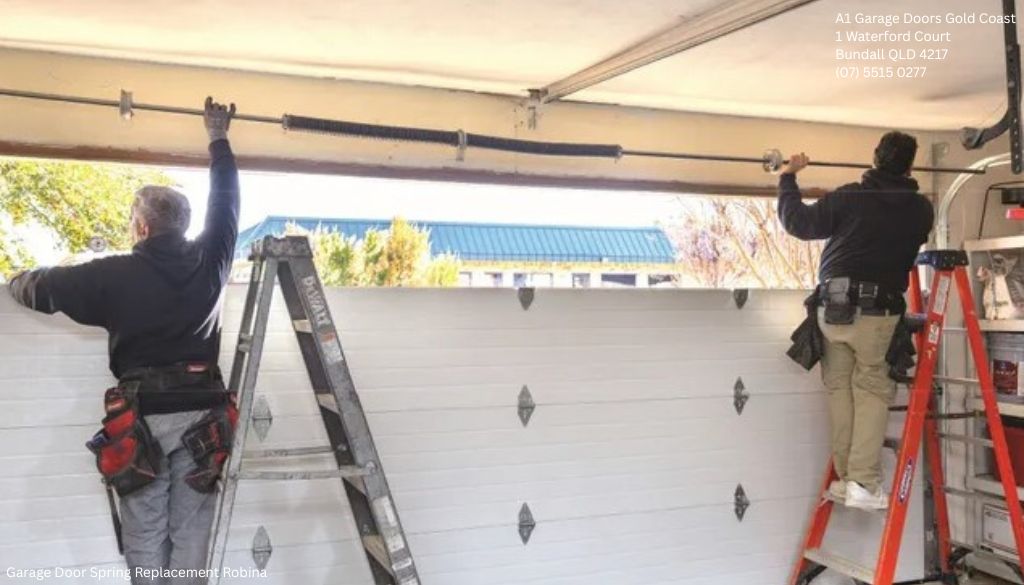
Owners often talk about garage door tracks as though they are the only moving part worth checking, but the system never works that way. Garage door springs help manage the weight of the door. Garage door openers supply controlled movement. The tracks guide the path. If one part falls out of balance with the others, wear can compound.
That is why a track problem may first show up as opener strain, or why a A1 Garage Doors Gold Coast spring issue may make the door seem like it is dragging in the tracks. Trying to isolate one component without understanding the whole system can lead to poor decisions. I have seen homeowners focus on the opener because it sounds louder than usual, when the underlying issue was that the door was no longer moving cleanly through its guided path. I have also seen doors blamed on the tracks when the system problem was broader and the proper remedy was more substantial.
For wind-exposed homes, that systems view matters even more. If a door assembly is expected to resist serious weather, then every part of its operation needs to be taken seriously. A track that is merely “good enough” for a calm inland location may not inspire the same confidence on a property with regular storm exposure.
Storm season changes the maintenance schedule
One practical lesson from storm-prone regions is that maintenance cannot be treated as random. Queensland guidance encourages homeowners to prepare before storm season, not during it. That has direct implications for garage door tracks and all related hardware.
Waiting until a severe weather warning is issued is too late for meaningful repair work. At that point, the priority shifts to immediate preparation and personal safety. Official advice is also clear that people should only go outside after it is officially safe. So the work belongs in the calm window well before a storm threat develops.
For many properties, the most sensible rhythm is a pre-season review of the garage door system and a post-event review if the area has been hit by severe winds or cyclone conditions. The purpose is not to overcomplicate ownership. It is to avoid being surprised by a weak point after the forecast has already turned serious.
This is also the right time to confirm whether the door is wind-rated, whether it complies with the relevant standard, and whether any required bracing system is present and ready to install. A surprising number of homeowners assume those details are in order because the door looks modern. Appearance proves very little. Documentation and proper assessment matter more.
When maintenance is enough, and when replacement makes more sense
This is where trade-offs become real. Not every issue points straight to garage door replacement. Some track-related concerns can be addressed through professional servicing, securing, adjustment, or replacement of worn related parts within an otherwise suitable system. If the door is already wind-rated, the frame is in good condition, and the system has simply fallen behind on upkeep, maintenance can be the sensible and economical path.
But there are homes where money spent on piecemeal fixes would be better directed toward replacement. Queensland resilience guidance supports that view by identifying non-compliant garage doors and frames as a cost-effective target for resilience upgrades. If the door is older, the frame is not suitable, the wind rating is absent or inadequate, or the home sits in a particularly exposed corridor, then replacing the assembly with a wind-rated system may offer better value than repeated service calls.
That can be a hard decision because replacement costs more upfront. Still, cost should be weighed against the potential consequences of failure. If wind enters through a failed garage door and contributes to roof or wall damage, the cheapest short-term option can become the most expensive long-term decision.
A practical rule is this: maintenance preserves a suitable system, but it does not transform an unsuitable one.
Before a severe storm, the garage needs more than a quick glance
Storm preparation often gets reduced to moving a few items inside and hoping for the best. Official guidance points to a more disciplined approach. Loose outdoor items should be secured, vehicles should be parked under shelter if possible, and electrical items should be unplugged. Those steps sound basic, but they directly affect how the garage functions before and during a storm.
If a vehicle is usually left outside, a severe weather event may make the garage suddenly more important. That means the door must be operating reliably before the weather deteriorates. If the door sticks in the tracks, if the opener is inconsistent, or if the closing position is not dependable, that inconvenience can become a genuine preparation problem.
The same goes for automatic systems. Garage door openers are useful, but owners should know how the door is intended to be managed safely if power conditions change or if electrical precautions require unplugging equipment. The key point is not to improvise under pressure. Work out the plan before storm season.
A focused pre-storm routine can help:
- Confirm the garage door is operating normally well before any forecast event. Check whether the door is wind-rated or whether a bracing system needs to be installed before a cyclone. Secure loose items around the property and park vehicles under shelter if possible. Unplug electrical items as advised during storm preparation, where appropriate. Do not go outside to inspect or fix the door once conditions become unsafe.
That final point deserves emphasis. It is easy to underestimate the risk of stepping out to deal with a noisy garage door in rising winds. Queensland guidance is clear that people should only go outside after it is officially safe.
Attached garages, draughts, and the everyday side of maintenance
Not every conversation about garage doors in windy areas has to be about extreme weather. Some of the same attention that improves storm readiness can also improve everyday comfort. Australian energy-efficiency guidance notes that draught stoppers at the base of doors can help reduce heat loss. For attached garages, that detail can matter more than people expect, especially where air movement between the garage and the rest of the home affects comfort.
This is not the same as wind hardening, and it should not be confused with structural resilience. Still, the principle is useful. A garage door that closes properly, seals more effectively, and operates smoothly through the tracks often serves the house better in daily life as well as in bad weather. Comfort, energy use, and storm preparation do not always sit in separate boxes.
That said, owners should be careful not to let smaller comfort upgrades distract from bigger resilience questions. A neat draught solution is worthwhile, but it does not solve a wind-rating problem. In wind-exposed homes, comfort measures are secondary to structural suitability and proper storm preparation.
Why qualified help matters more in exposed homes
Queensland resilience materials encourage homeowners to work safely or use a qualified contractor when securing vulnerable parts of the home. Garage doors are a textbook example of why that advice exists. Tracks may look straightforward, but the system they belong to is not. The interaction of door weight, movement, springs, openers, and bracing can create risks that are not obvious to an untrained eye.
That is especially true if a door has already been stressed by strong winds or impact. Post-storm, some doors still move, but not correctly. Homeowners can mistake “it still opens” for “it is still sound.” Those are not the same thing. A system that has shifted or been compromised may continue operating until the next event exposes the weakness.
A qualified contractor can also help answer the bigger resilience questions that basic servicing cannot resolve. Does the current door comply with the required standard? Is the frame suitable? Is the bracing arrangement complete and practical to install before a cyclone? Is maintenance enough, or is garage door replacement the more responsible option?
Those are the questions that separate routine upkeep from real storm readiness.
A more disciplined way to think about garage door tracks
For a wind-exposed home, garage door tracks should be viewed as part of a resilience chain. They influence how the door travels, how reliably it closes, and how well the wider assembly functions when conditions are normal. They also play a role in whether the garage door system is ready when weather becomes severe.
The smartest approach is usually steady rather than dramatic. Review the door before storm season. Treat changes in operation seriously. Confirm whether the system is wind-rated or supported by an appropriate bracing solution. Use qualified help when something looks wrong, sounds wrong, or no longer performs as expected. And if the door is non-compliant or outdated, recognise that maintenance has limits.
For many homeowners, garage door tracks are out of sight until the day the door starts misbehaving. In a sheltered setting that can be merely inconvenient. In a wind-exposed home, it is a warning worth acting on early. The tracks may not be the whole story, but when severe weather is part of life, they are too important to ignore.