Storm season changes the way a garage door should be viewed. For most of the year, it is easy to think of it as a convenience item, a large moving panel controlled by a wall button, a remote, and a motor overhead. When severe weather is on the forecast, that same opening becomes one of the most important parts of the house envelope.
That is not alarmist. In cyclone and severe storm conditions, the integrity of the garage door matters because failure at that opening can let wind into the house and increase damage to roofs and walls. That shifts the conversation away from comfort and toward resilience. The opener still matters, but not in isolation. The motor, the door itself, the frame, the bracing, the tracks, and the owner’s preparation all work together.
Homeowners often focus on windows first, and for good reason. But a garage door is a very large opening, and large openings deserve close attention before storm season arrives. In practice, the best preparation starts well before the first warning. Once conditions deteriorate, the window for safe action narrows quickly. Official guidance in Queensland is clear on that point: prepare before storm season, and only go outside after it is officially safe.
The opener is only one part of the system
A garage door opener gets most of the attention because it is the part people use every day. If the remote stops working or the motor sounds rough, it is immediately noticeable. Storm performance is different. During a severe weather event, the opener does not determine whether the door can resist wind pressure. The door assembly and its rating matter far more.
That distinction is worth making because many homeowners assume a newer opener means a more storm-ready garage. It might mean smoother operation, quieter travel, or more consistent opening and closing, but that does not automatically make the opening suitable for severe weather. In cyclone-prone areas, Queensland guidance specifically points to the garage door itself. It should comply with AS/NZS 4505 and be correctly rated for wind pressure, or have a bracing system that can be installed before a cyclone.
That changes the priority list. If the opener is modern but the door is not rated, the weak point remains. If the motor is reliable but the frame is not suitable, the problem remains. If the tracks are intact but the door is non-compliant, the system still needs attention. Storm season exposes weak links, not just obvious failures.
Why garages become a pressure point
The garage is often the biggest single opening on the front or side of a house. When wind works on that opening, the loads can be significant. If the door fails, the result is not confined to the garage. Wind can enter the structure, increase internal pressure, and contribute to wider damage.
That is why Queensland resilience guidance treats garage doors as a serious part of household storm hardening. Replacing existing garage doors and frames with wind-rated versions is identified as part of resilience work, and non-compliant garage doors can be a cost-effective replacement target to improve cyclone resilience. That language matters because it moves garage door replacement out of the “nice to have” category and into practical risk reduction.
From a homeowner’s perspective, this often comes down to a hard but useful question: is the current setup merely functioning, or is it suitable for the local storm risk? Those are not the same thing. A door can open and close every day and still be the wrong product for severe weather.
What to check before storm season starts
Most garage door problems are easier to address in calm weather, with time to book the right contractor and compare options. Last-minute preparation tends to focus on surface tasks because that is all there is time for. Good preparation starts with a realistic look at the opening itself and then works inward to the opener and access habits.
A practical pre-season review usually comes down to five areas:
Confirm whether the garage door is wind-rated or has an approved bracing system for severe weather. Check that the frame and door condition support reliable closing and secure contact. Make sure the opener is functioning consistently, including wall controls and remotes. Look for obvious issues in garage door tracks and door travel that could interfere with proper closure. Decide now, not during a warning, whether repair, bracing, or full garage door replacement is the sensible path.That list is deliberately simple. It does not pretend that a homeowner can self-certify a storm-ready installation. It does something more useful: it highlights the points that deserve attention early enough to act.
The most important item on that list is the first one. If the door is not rated for the relevant wind pressure, or if there is no suitable bracing plan in place where required, the rest of the preparation has limits. An opener can close the door neatly, but it cannot make an unrated door storm compliant.
The role of garage door tracks and alignment
Garage door tracks do not receive much attention until something binds, rubs, or rattles. During storm season, their role becomes more obvious. The tracks guide the door into position and help the door close as intended. If that path is compromised, the door may not seat properly or may be more vulnerable to disruption.
This is where practical judgment matters. A track issue does not need to be dramatic to be worth investigating. Even a door that closes with a slight hesitation or uneven movement deserves a closer look before severe weather arrives. The goal is not cosmetic perfection. The goal is predictable operation and a door that reaches and holds its intended position.
There is also a difference between noticing a problem and attempting a DIY fix. Queensland resilience guidance encourages safe work and the use of a qualified contractor for securing vulnerable parts of the home. That is sensible advice for garages. A homeowner can observe the system and report what they see. Correcting structural, alignment, or securement issues is another matter.
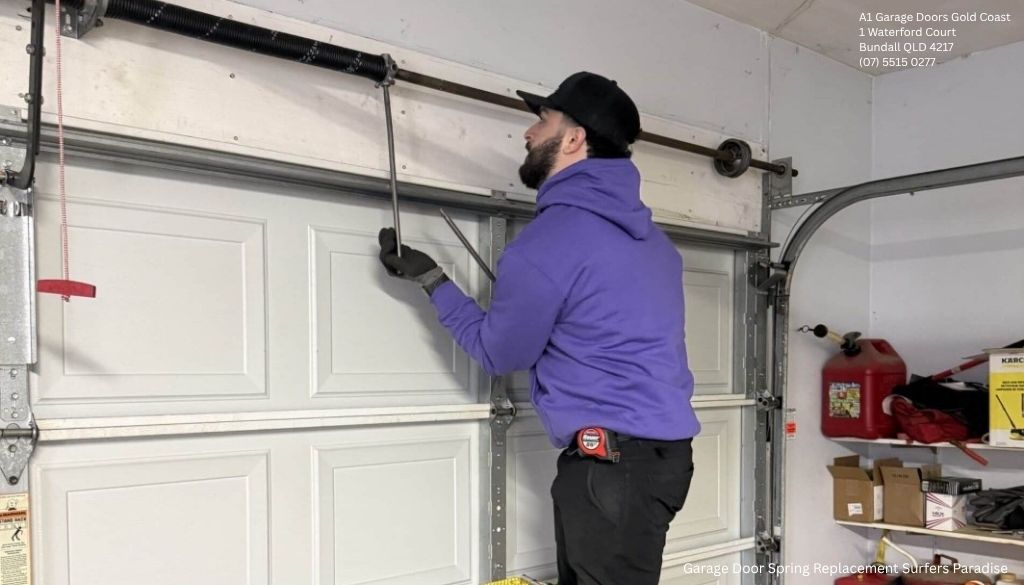
The same caution applies to garage door springs. They are central to the way a door moves and balances, but storm season is not the moment for improvised adjustment. If a door is already struggling, dropping unevenly, or sounding strained, the smart move is to have it assessed well before a weather event is imminent.
When the opener matters most
If the stormworthiness of the door itself comes first, where does that leave the opener? It still matters in several practical ways.
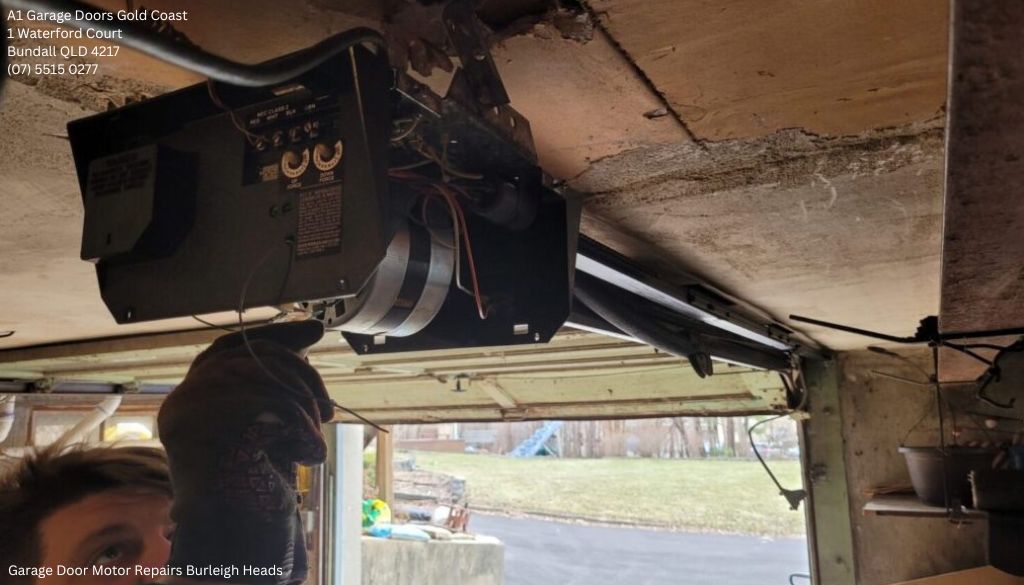
First, the opener determines whether the door can be closed promptly and reliably when weather deteriorates. A door that occasionally reverses, sticks halfway, or requires repeated attempts is more than an annoyance in storm season. Time matters when conditions are changing quickly.
Second, access to the garage often affects the whole household storm plan. In many homes, the garage is how people secure vehicles under shelter, store outdoor equipment, and move loose items inside. Official guidance in Queensland advises securing loose outdoor items and parking vehicles under shelter if possible. A dependable opener supports that effort. An unreliable one turns a straightforward preparation step into a scramble.
Third, the opener becomes part of the electrical picture before a storm. Queensland guidance also advises unplugging electrical items. For homeowners, that raises practical questions about what stays connected, what gets unplugged, and how access will work if there is a power interruption. The answer depends on the household setup, but the point is clear: think that through before the weather turns, not while standing in a dark garage with rain moving in.
In attached garages, the door to the garage can also affect comfort and energy use across the rest of the year. Australian energy guidance notes that draught stoppers at the base of doors can help reduce heat loss, which makes draught-proofing relevant. That is not a storm-hardening measure in itself, but it is a reminder that garage door condition affects more than convenience. A well-maintained opening supports both resilience and day-to-day performance.
The decision between repair and garage door replacement
One of the more difficult calls homeowners face is whether to keep repairing an existing setup or move to garage door replacement. Storm season sharpens that decision because repeated minor fixes can distract from the bigger issue: some doors are simply not the right product for the risk profile.
Queensland housing guidance is especially helpful here because it explicitly identifies replacement of existing garage doors and frames with wind-rated versions as resilience work. It also notes that non-compliant garage doors can be a cost-effective replacement target. That does not mean every old door must be replaced immediately. It does mean that replacement is not overkill when the existing door is the weak point.
In practical terms, repair makes the most sense when the core system is suitable and the issue is limited. If a rated door has a functional problem, restoring its reliable operation may be the right move. Replacement becomes more compelling when the door is non-compliant, when the frame is part of the problem, or when the opening cannot meet storm expectations without substantial compromise.
This is where many people lose money by asking the wrong question. They ask, “Can this be repaired?” The better question is, “Will this setup leave the home better protected next storm season?” Those questions can lead to different answers.
A homeowner with an older door that opens fine in fair weather may feel reluctant to replace something that still works. That is understandable. Yet resilience spending often looks inefficient until the day it is needed. Once a severe storm warning is issued, there is no benefit in having saved money on a door that was never suitable for the opening it covers.
How to prepare in the final day before severe weather
Good preparation is staged. Long before storm season, assess the opening, the rating, the condition, and the need for professional work. As a storm approaches, preparation shifts toward execution. The emphasis then is safe, practical action that supports the wider household plan.
A sensible final-day routine includes the following:
Close the garage door early enough to avoid rushing as conditions worsen. Secure loose outdoor items and move what you can into the garage if it is safe and appropriate to do so. Park vehicles under shelter if possible, including inside the garage if that fits your plan. Consider your electrical setup and unplug items in line with official guidance where relevant. Stay inside once conditions become unsafe, and do not go back out until authorities say it is safe.
There is a rhythm to this that experienced homeowners learn quickly. Do the awkward jobs early. Do not wait until the first heavy bands of wind and rain arrive. Do not assume you will have “just ten more minutes” to reposition bins, shift tools, or troubleshoot a stubborn opener. Storm prep almost always takes longer than expected.
One common mistake is treating the garage as overflow storage right up to the last moment. That works until you need the space quickly for a car, outdoor furniture, or equipment that should not be left outside. A cleaner, more deliberate garage setup during storm season gives you options, and options matter when the forecast changes.
Bracing, compliance, and professional help
Bracing systems deserve special mention because they are often misunderstood. In the Queensland guidance, a garage door should either be correctly rated for wind pressure or have a bracing system that can be installed before a cyclone. That means bracing is not an afterthought or a vague extra. It is part of the resilience strategy for some doors.
The key point is that the bracing system has to be appropriate and ready to use. A last-minute improvised solution is not the same thing. If a door relies on pre-cyclone bracing, the time to understand installation is well before a warning is issued. If the household cannot confidently and safely install it as intended, that gap needs to be addressed before storm season, not during it.
This is another area where qualified contractors earn their value. Official resilience guidance supports using qualified help for securing vulnerable parts of the home. For garages, that can mean assessing compliance, advising on the suitability goldcoastgaragedoorrepair.com.au of replacement, checking whether the frame and opening need work, or confirming the correct bracing approach for the specific door.
Professional input is especially important when several issues overlap. A door may be non-compliant, the opener may be inconsistent, and the tracks may show wear. Looking at those pieces separately can lead to piecemeal spending. Looking at them as one system often leads to a clearer plan.
The overlooked issue of household routine
Storm resilience is not only about hardware. It is also about habit. The families who handle severe weather best usually have a simple, repeatable garage routine. They know where the remotes are. They know whether the garage is clear enough for a vehicle. They know what gets moved inside and what stays put. They know whether the door setup is rated, braced, or due for replacement.
That may sound ordinary, but ordinary routines prevent rushed decisions. In the field, many avoidable problems start with a garage that has become a catch-all space. The opener works, but the door path is cluttered. The remote battery is weak. The tracks have been making noise for months. The vehicle cannot fit because half the garage is filled with items that should have been sorted long ago. None of those details seems critical on a sunny afternoon. Together, they become a problem when a severe storm warning lands.
A disciplined garage routine does not need to be elaborate. It just needs to reflect the reality that the garage is part of the house’s protective shell and part of the household’s access plan.
A better way to think about storm readiness
The strongest approach is to stop viewing garage door preparation as a quick seasonal chore. It is part inspection, part maintenance, part resilience planning. The opener is important, but it serves a larger system. The best motor in the world cannot compensate for a door that is not appropriate for the wind risk, a frame that needs attention, or a household that leaves all decisions to the final hour.
For homeowners in storm-prone regions, especially where cyclones and severe storms are a recurring threat, the priority is straightforward. Know what door you have. Know whether it is rated or requires bracing. Know whether the opening is a sensible candidate for garage door replacement. Keep the garage door tracks and operation under observation. Treat garage door springs and other critical components with the respect they deserve, and bring in a qualified contractor when the work goes beyond simple observation.
Storm season rewards early, unglamorous preparation. A garage door that closes properly, suits the local conditions, and fits into a clear household storm plan will never feel exciting. It will just do its job when the weather turns, and that is exactly the point.