A garage door does more than cover an opening. In severe weather, it can become one of the most important parts of a home’s outer shell. That is especially true in parts of Queensland where severe storms and cyclones are a real planning issue, not an abstract risk. When a garage door fails under wind pressure, the problem is not limited to the garage itself. Queensland guidance warns that failure at that opening can allow wind into the house and increase damage to roofs and walls. Once you understand that chain reaction, routine maintenance stops looking like cosmetic upkeep and starts looking like basic resilience work.
That is where many homeowners get caught. They think of maintenance as lubrication, noise reduction, or keeping the remote working. Those things matter, but the bigger picture is structural integrity, reliable operation, and knowing whether the door you have is appropriate for the wind conditions you may face. A quiet door is nice. A door that remains secure in extreme weather is essential.
Why wind pressure ratings matter
Wind pressure ratings exist because not all garage doors are built to resist the same forces. In Queensland cyclone preparation guidance, garage doors are singled out for a reason. The recommendation is clear: a garage door should comply with AS/NZS 4505 and be correctly rated for wind pressure, or it should have a bracing system that can be installed before a cyclone.
That distinction matters. A standard door may work perfectly in everyday use. It may open smoothly, seal well enough at the base, and look fine from the street. None of that tells you how it will behave when exposed to severe storm or cyclone conditions. Wind loading is a different test altogether. A door can appear serviceable right up until the day it is asked to resist forces it was never designed for.
In practice, homeowners usually run into three situations. The first is a newer installation with clear product documentation. The second is an older door that still functions but has uncertain compliance details. The third is a door that has already been modified, repaired, or fitted with accessories over the years, which can make its actual condition harder to judge. The last two are where problems tend to hide.
If you live in a storm-prone area, “working” is not the same thing as “suitable.” That is the central idea behind wind pressure ratings. They are not marketing language. They are part of deciding whether your door is a resilient part of the building envelope or a weak point.
The weak point many people overlook
People will often prepare the obvious things before storm season. They secure outdoor furniture, move loose items, and park vehicles under shelter if possible. Those are sensible steps and official guidance supports them. But garages sit in a strange middle ground. They feel sheltered, so they are easy to ignore, yet the garage opening is large, mechanically complex, and vulnerable if the door is not the right type or not in sound condition.
I have seen homeowners spend time trimming trees and clearing yards while assuming the garage door is fine because it opens on command. Then a contractor asks a simple question: is it wind-rated, or does it have a bracing system ready for installation? Very often, there is silence. Not because the owner has been careless, but because nobody has explained that the question matters.
Queensland housing resilience guidance goes a step further and identifies the replacement of existing garage doors and frames with wind-rated versions as part of household resilience work. It also notes that non-compliant garage doors can be a cost-effective replacement target when improving cyclone resilience. That is useful because it reframes the spending decision. Sometimes homeowners assume resilience upgrades must involve major roof work or expensive structural alterations. In some cases, the garage opening may be one of the more practical places to improve.
Maintenance is not just about moving parts
The phrase “garage door maintenance” often brings to mind rollers, hinges, or squeaks. Those may be part of the story, but maintenance should also include the condition of the whole opening, the way the door closes, and whether its supporting components are still doing their job properly. A garage door depends on alignment, balance, structural support, and consistent operation. If any part of that system degrades, the door may still move, but it may no longer be operating as intended.
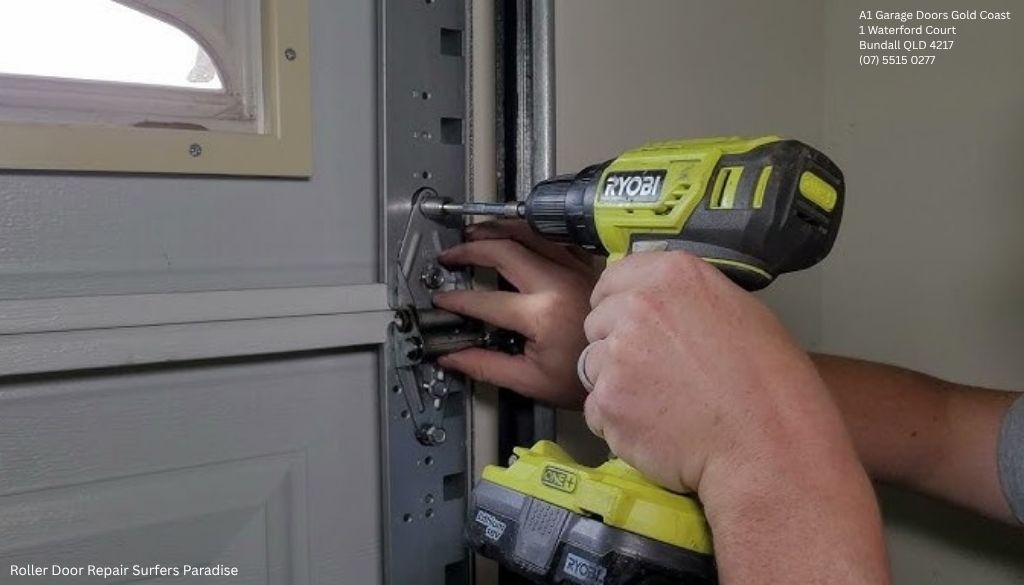
This is where homeowners should think beyond convenience. Garage door tracks, for example, do more than guide movement. If they are damaged or compromised, the door’s travel and closure can be affected. The same is true of garage door springs. Springs are central to the controlled movement of the door, and because they are loaded components, they are not something to treat casually. A spring issue is not just an annoyance. It can affect how reliably the door opens and closes and whether the system remains safe to use.
Garage door openers also deserve more attention than they usually get. Many people view the opener as the garage door. It is not. It is one part of a larger system. Before severe weather, Queensland guidance advises unplugging electrical items, which is relevant in the garage context. It also makes sense to think about access. If power is lost, the convenience of a remote becomes secondary to knowing how the door will be managed safely. A smooth-running door and a properly maintained opener are helpful every day, but storm preparation always pushes you back to fundamentals: access, security, and structural reliability.
What a practical inspection really looks like
A practical inspection does not need to be dramatic. It needs to be deliberate. The goal is not to diagnose every component yourself. The goal is to notice whether the door is obviously deteriorating, whether it closes properly, and whether there are unresolved questions about wind rating, compliance, or bracing.
A sensible homeowner inspection might include the following:
- look for visible damage to the door, frame, and garage door tracks check whether the door closes evenly and sits properly at the opening confirm whether documentation exists showing compliance or wind rating make sure any bracing system intended for cyclone preparation is available and ready note unusual strain, jerking, or noise and arrange a qualified inspection if needed
That list is intentionally simple. It is not a substitute for technical assessment. It is a way to spot whether the system is asking for help.
Where people get into trouble is trying to reason away visible issues. A slightly twisted track becomes “probably fine.” A heavy-feeling door becomes “just old.” A missing label or absent paperwork becomes “something the previous owner must have handled.” That kind of optimism is common, and it is expensive when a storm exposes the gap.
When repair makes sense, and when replacement is smarter
Not every problem means the door must be replaced. Some issues are maintenance issues, some are repair issues, and some are resilience issues. The trick is understanding which category you are dealing with.
If the question is limited to ordinary wear, a targeted repair may be enough. If the question is whether the door is appropriate for expected wind conditions, repair alone may not solve the real problem. A cosmetically sound door can still be non-compliant or inadequately rated. That is why garage door replacement sometimes becomes the more rational decision, particularly in regions where cyclone resilience is part of normal home planning.
Queensland resilience guidance is helpful here because it specifically identifies replacing existing garage doors and frames with wind-rated versions as resilience work. That gives homeowners a framework for thinking. They are not replacing a door just because it is old or unattractive. They may be replacing a vulnerable opening with one better suited to local risk.
There is also a financial judgment involved. A piecemeal approach can look cheaper in the moment, especially if the existing door mostly works. But if the core question is wind pressure suitability, repeated minor repairs can become false economy. That is particularly true when the opening itself remains the weak point in the event of severe weather.
A professional assessment is valuable when the answer is not obvious. Sometimes a door can remain in service with the right bracing system and proper preparation. Sometimes the better call is full garage door replacement, including the frame, so the opening functions as a coordinated system rather than a patchwork of old and new parts.
Bracing systems and storm season preparation
Cyclone preparation guidance in Queensland allows two broad paths for garage doors: a door that complies with the relevant standard and is correctly rated for wind pressure, or a door with a bracing system that can be installed before a cyclone. That second option is important because many existing homes were built before today’s resilience expectations became a routine part of household planning.
A bracing system is not a shortcut for neglect. It is part of a preparation strategy. If your home depends on one, the system has to be present, understood, and realistically usable when a cyclone threatens. The worst time to discover missing parts, damaged fittings, or unclear instructions is when warnings are already in place.
This is where a bit of disciplined preparation pays off. Before storm season, homeowners should know which path their garage door falls into. Is it already appropriately rated, or does it rely on bracing? That answer affects what needs to happen before a storm and how much lead time you need.
Queensland guidance also emphasizes timing and safety. Prepare before storm season. Go outside only after it is officially safe. That sounds basic, but it matters. If a door relies on a bracing system, waiting until conditions deteriorate is poor planning and can place people at risk. Storm hardening works best when it is boring, methodical, and done early.
The role of openers, remotes, and access during bad weather
Garage door openers are often discussed only in terms of convenience features, but severe weather strips away that mindset. If a storm is approaching, the garage is part of your household readiness plan. Vehicles may be moved under shelter. Outdoor items may need to be secured. Access to storage may matter. The opener becomes part of a larger chain of practical decisions.
Queensland storm guidance advises unplugging electrical items, which is relevant in garages where openers, chargers, and other powered devices are common. That does not mean every household will manage access in exactly the same way, but it does mean the garage should not be an afterthought. If the opener is the only method of entry you goldcoastgaragedoorrepair.com.au rely on mentally, you have not really prepared. You have just automated the problem.
It is also worth being realistic about remote controls and electronic habits. During normal weeks, people treat the garage as the default entrance to the home. During severe weather, that habit can create confusion if power conditions change or if the household has not thought through how to secure and access the space safely. The practical lesson is simple: maintain the opener, understand your setup, and include the garage in your broader storm routine rather than assuming it will sort itself out.
Energy performance is part of maintenance too
Not every garage door discussion has to be about storms. Day-to-day performance matters as well, especially in attached garages. Australian energy-efficiency guidance notes that draught stoppers at the base of doors can help reduce heat loss. That point is easy to overlook because garage doors are usually seen through a security lens rather than an energy lens.
Yet attached garages can influence comfort in adjacent rooms. A poorly sealed bottom edge can allow draughts and affect heat loss. This is not the same topic as wind pressure rating, but it belongs in a sensible maintenance conversation because both involve the quality of the opening. A door can be secure enough to deter intruders and still perform badly in terms of sealing. Likewise, a door can seal acceptably at the base and still be unsuitable for cyclone conditions. These are related but different questions, and good maintenance respects both.
For homeowners, the practical takeaway is that small details can justify attention even when the door is not due for major work. If the bottom edge no longer sits properly or if the opening clearly allows draughts into an attached space, it is worth addressing. Energy efficiency may not carry the urgency of cyclone resilience, but over time it affects comfort and running costs.
Safety and the limits of DIY
Garage doors tempt people into half-DIY work because the system is visible and used every day. That can be fine for basic observation and housekeeping. It becomes risky when homeowners move from noticing a problem to trying to solve structural or mechanical issues beyond their skill set.
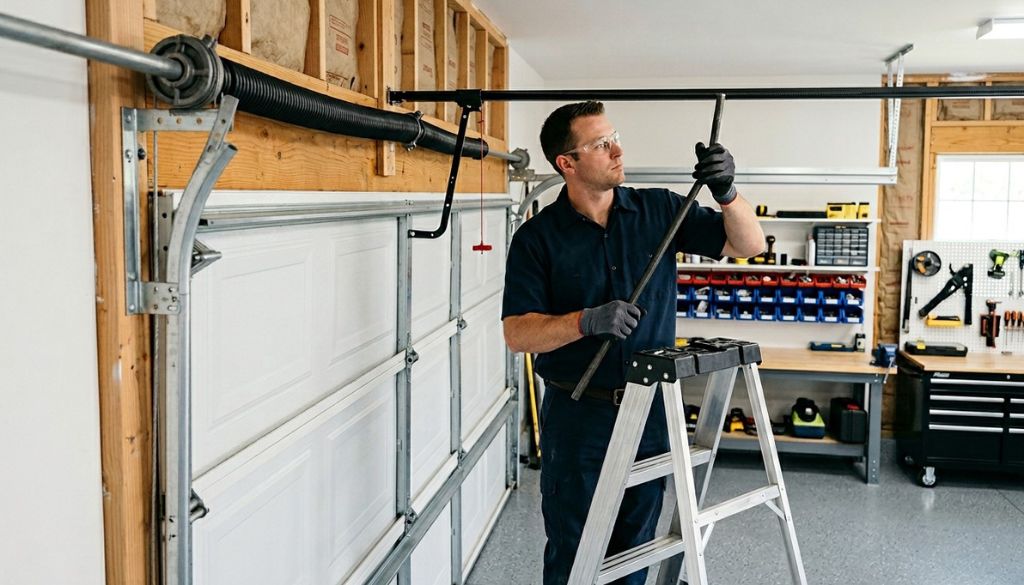
Queensland resilience guidance recommends working safely or using a qualified contractor when securing vulnerable parts of the home. That principle fits garage doors exactly. Components such as garage door springs, tracks, and opener hardware are not a good place for guesswork. Even when the immediate concern is storm preparation, poorly executed adjustments can create a different hazard.
There is also a compliance angle. If the real question is whether the door meets the relevant expectations for wind pressure or whether a proposed change affects its performance, that is not something to settle through internet shortcuts or hardware-store improvisation. The point of professional help is not simply to outsource effort. It is to make sure the opening is assessed and, if necessary, upgraded in a way that aligns with safety and resilience goals.
A homeowner can and should be attentive. That means noticing changes, keeping records, and asking the right questions. It does not mean taking over tasks that require technical judgment.
Signs that the conversation should shift from maintenance to resilience
Most homeowners know when a garage door is becoming annoying. Fewer recognize when it has become a resilience issue. The shift usually happens when one of several practical realities appears:
- the door’s wind rating or compliance status is unknown the opening shows visible deterioration or poor fit the home is in a severe storm or cyclone-prone area the door depends on a bracing system that is incomplete or not ready to use repairs are stacking up without resolving the bigger suitability question
That last point is common. A door gets patched, adjusted, and coaxed along for years. Each repair feels reasonable in isolation. Then someone finally asks whether the door and frame are the right ones for the location and the risk. At that point, the decision often becomes clearer.
The bigger picture for homeowners in storm-prone areas
A well-maintained garage door supports daily life quietly. It opens when needed, closes properly, helps secure the house, and does not demand attention. But in storm-prone parts of Queensland, the garage door also belongs in a different category. It is a resilience component. Government guidance treats it that way because the consequences of failure can extend well beyond the garage.
That perspective changes how maintenance should be approached. It is not only about smooth travel or minimizing noise. It is about whether the system is sound, whether its performance characteristics are known, and whether the household has a clear plan before storm season. It is about understanding the difference between an ordinary repair and a strategic garage door replacement. It is about knowing when garage door openers are merely convenient and when access planning matters more. It is about recognizing that garage door tracks and garage door springs are not trivial parts, but components whose condition affects the reliability of the whole opening.
Homeowners do not need to become engineers to make good decisions here. They need a clear sense of what they have, what local conditions demand, and where uncertainty remains. If your garage door is already compliant, correctly rated, and in good condition, routine maintenance and storm readiness may be straightforward. If it is older, undocumented, visibly worn, or dependent on a bracing system you have not checked in years, the wiser move is to deal with that before storm warnings start appearing.
A garage door rarely gets much appreciation when it performs well. That is the nature of building components that do their job. But when weather turns severe, its role becomes obvious very quickly. The households that fare best are usually the ones that did the unglamorous work early, checked the details, and treated the garage opening as a serious part of the home rather than a big moving panel to be dealt with later.