A garage door system looks simple from the driveway. It goes up, it comes down, and most people stop thinking about it there. In practice, it is a tightly linked setup of moving parts, electrical controls, safety features, and high-tension hardware. When one part starts to fail, the symptoms often show up somewhere else. A motor strains because the door is out of balance. A remote seems unreliable when the real issue is in the opener system. A door that drifts or jams may point to garage door alignment trouble long before a full breakdown.
That overlap is why smart repairs rarely start with a single part in isolation. If you need to fix garage door problems properly, you have to look at how the motor, springs, remotes, and door path work together.
In areas like the Gold Coast, that whole system also works in tougher conditions than many homeowners realize. Salt air, humidity, and heat are hard on hardware over time. Fasteners, metal components, and moving parts can wear faster or demand more maintenance than they would in a milder inland setting. A door that worked fine a year ago can start sounding rough, moving unevenly, or refusing to close with the same confidence.
When the problem is not where it appears
One of the most common mistakes with garage door faults is assuming the symptom tells you the exact cause. It often does not.
A homeowner presses the remote and the door begins to move, then hesitates. The first thought is usually that the remote is failing. Sometimes it is. But that same symptom can also show up when the opener is under load, when the springs are no longer supporting the door evenly, or when the door is not tracking smoothly. The remote may be doing its job perfectly, while the opener is reacting to resistance elsewhere in the system.
The same applies when a garage door is not closing properly. People often describe this in broad terms, but the details matter. Does the door start down and reverse? Does it stop short of the floor? Does one side appear lower than the other? Does it close fully when operated manually but struggle under motor power? Each version points in a slightly different direction, and guessing at the cause can waste time and money.
A good service call usually starts with observation before adjustment. The movement of the door tells a story. Smooth, level travel tends to suggest one set of conditions. Jerking, binding, uneven descent, or motor strain suggest another. That judgment is built from experience, not from swapping parts at random.
Motors do more than open and close the door
People use the word "motor" as shorthand for the whole opener assembly, and in everyday conversation that is fine. In service work, though, it helps to think more carefully. The motor is only one part of the automation side of the system, but it is the part most owners notice when the door stops responding.
Motor replacement and installation are standard garage door services, including upgrades that automate an existing door. That matters because some older doors were built for manual operation and later fitted with automation. In those cases, the motor has to work with the door’s physical condition, not against it. If the door is heavy, unbalanced, or poorly aligned, even a good opener can seem weak or inconsistent.
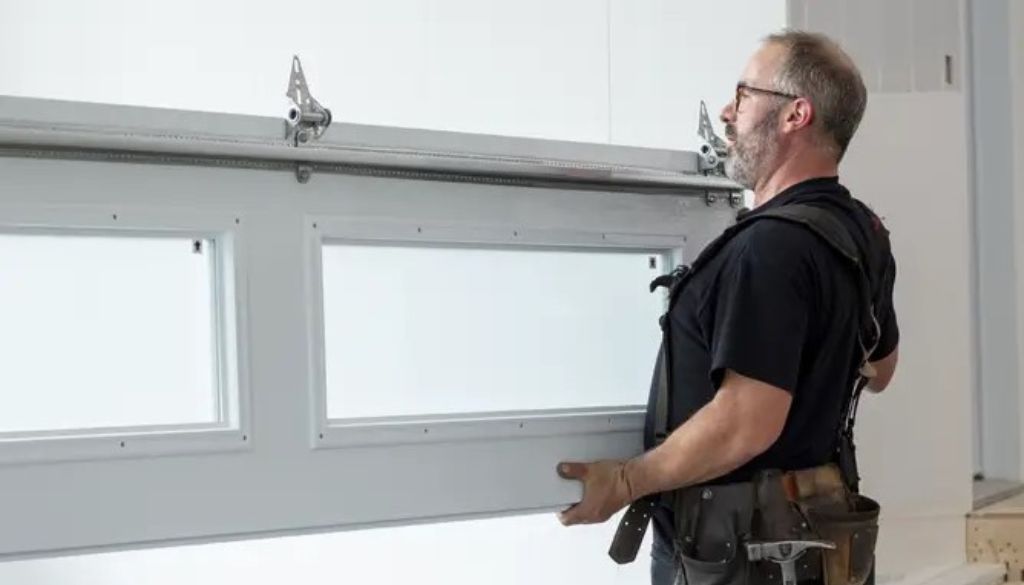
A proper garage door opener repair is not just about restoring power to the unit. It is about asking whether the opener has been compensating for another issue. I have seen plenty of doors where the motor was blamed for noise, slow travel, or erratic stopping, only for the deeper problem to be in the mechanical side of the setup. Replacing the motor alone may bring temporary improvement, but if the door is still fighting the system, the new unit ends up living the same hard life as the old one.
That is also why opener trouble often shows up gradually. A system may keep working while giving small warnings. The sound changes. The movement loses some confidence. The door starts taking a little longer, or only behaves properly if no one has used it several times that day. Those are the moments when servicing makes a difference, because the door has not fully failed yet.
Springs are the part owners should respect, not experiment with
There is no polite way to put this: garage door springs are dangerous. They operate under high tension, and safety authorities have made it clear that adjusting or repairing them without proper training and tools is risky.
That warning is not theoretical. Springs store energy. When they break or are mishandled, that energy is released fast. The danger is not limited to the spring itself. It affects the balance of the entire door, and a door that is no longer properly supported can become unpredictable.
When a spring breaks, many owners ask whether only the failed spring should be replaced. In some cases, service professionals recommend replacing both springs because they usually wear at a similar rate. If one has failed, the other may not be far behind. Using mismatched springs can also create balance problems, which feeds into rough travel, opener strain, and uneven door movement. That recommendation is grounded in practical experience and in the way spring systems age.
A broken or tired spring does not just make the door harder to lift. It changes how every other component behaves. The opener may sound louder because it is doing more work. The door may sit unevenly. It may refuse to stay in the right position. It may close too hard or stop unexpectedly. Those are not separate faults. They are connected symptoms of a system that has lost its balance.
The remote is rarely the whole story
Remote issues can feel deceptively simple. You press a button, nothing happens, and naturally you suspect the handheld unit first. Sometimes the fix is straightforward, but the remote should be considered part of a wider control chain, not a stand-alone answer.
If the remote works intermittently, the first question is whether the opener is receiving and acting on commands consistently. If wall controls, remotes, and other access points all show irregular behavior, the issue is probably beyond the handheld unit. On the other hand, if the opener behaves normally from one control source and not another, the fault may be narrower.
What makes remote complaints tricky is that people often notice them during other failures. A door with movement problems may respond to the remote yet fail to complete its cycle, which feels like remote failure from the user’s point of view. A garage door not closing properly is a classic example. The command goes through, but the system stops or reverses. The remote did its job. The door did not.
That distinction matters, because replacing remotes when the real problem is mechanical or opener-related only delays the actual repair.
Garage door alignment affects almost everything
Garage door alignment is one of those terms homeowners use loosely, but the underlying idea is important. A door should travel evenly and cleanly through its path. When that no longer happens, the effects spread through the whole system.
Misalignment can show up as a scraping sound, a visible tilt, hesitation during travel, or a door that seems to catch before finishing its cycle. Even if the opener still moves the door, the extra resistance can shorten the life of other components. The motor has to work harder. Fasteners and hardware take stress in the wrong places. The door may start behaving differently depending on weather or frequency of use.
In coastal conditions, this becomes even more relevant. Salt air, humidity, and heat can affect garage door hardware and increase maintenance needs. Over time, even small changes in the condition of components can make movement less smooth. It does not always happen dramatically. Sometimes it begins as a slight roughness that only the homeowner notices because they hear the door every day.
The value of correcting alignment early is not just convenience. It is preservation. A door that tracks properly is easier on the opener, easier on the springs, and easier on every part that moves with it.
What a sensible repair process looks like
The best repair visits usually feel methodical rather than dramatic. Good technicians do not chase the loudest symptom first. They assess the system as a whole, because garage door faults are often layered.
A practical service process often includes:
Watching the full opening and closing cycle for uneven travel, hesitation, or reversal. Checking whether the issue appears in manual operation, motor operation, or both. Looking at springs and overall door balance, especially if the opener seems to strain. Reviewing the opener and remote response together rather than treating them as separate problems. Deciding whether a repair will restore reliable operation or whether replacement of a worn component is the more stable choice.That kind of sequence prevents the common trap of fixing the easiest visible issue while leaving the root cause untouched. It also helps explain why two doors with the same complaint can need different solutions. "It won’t close properly" is a symptom, not a diagnosis.
Why annual servicing earns its keep
One Gold Coast provider recommends professional servicing every 12 months to help prevent breakdowns and extend the life of the door and motor. That advice is sensible, especially in a coastal climate.
A yearly service is not glamorous, and that is exactly why people skip it. The door is still moving, the remote still works most days, and nothing seems urgent. Then a minor issue turns into a breakdown at the worst possible time, usually when someone is trying to leave for work or secure the house at night.
Routine service tends to catch the issues that owners normalize without realizing it. A new noise. Slightly rough travel. A door that feels heavier than it used to. Motor effort that has increased gradually enough to go unnoticed. These are the kinds of early signs that are easier to address before they become a failed spring, a strained opener, or a door that jams midway.
Regular attention also makes more sense in places where environmental exposure is part of daily life. Heat, moisture, and salt do not need dramatic storms to have an effect. They work slowly, and slow wear is exactly what servicing is designed to catch.
Knowing when to repair and when to replace
Not every fault calls for a full replacement, and not every existing part is worth preserving. Judgment matters here.
If a component has failed cleanly and the rest of the system is in good condition, targeted repair is often the sensible path. Spring replacement, remote service, or garage door opener repair can restore reliable function without larger changes. That is especially true when the problem is identified early and has not caused secondary damage.
Replacement becomes more attractive when a part is not just broken, but worn in a way that affects the rest of the system. Springs are the clearest example. Because they wear as a pair, replacing both may make more sense than replacing only the visibly failed one. With motors, the same reasoning can apply when an opener has spent a long period compensating for a door that was out of balance or misaligned. Even after the mechanical issue is corrected, a heavily stressed opener may not have much life left.
There is also the question of automation. Some existing garage doors can be upgraded with motor installation, and that can be a worthwhile improvement when the door itself is in sound condition. The key phrase there is "in sound condition." Adding automation to a door with unresolved alignment or balance issues is not an upgrade so much as a way to move existing problems into a more expensive part of the system.
Common warning signs that deserve attention
Some garage door problems announce themselves clearly. Others start as annoyances people learn to work around. The second category is where preventable failures often begin.
Watch for a door that changes its sound, starts moving unevenly, hesitates during travel, or refuses to close with the same consistency it used to have. Pay attention if the opener seems to labor more than before, or if controls work but the door does not complete the command properly. These are the moments when a service call is usually more productive than repeated DIY adjustments.
A few signs should be treated with extra caution:
- A visible spring break or a sudden change in door balance A door that looks uneven during movement An opener that strains or sounds unusually loaded Repeated cases of the garage door not closing properly Intermittent control response combined with rough door travel
None of those signs automatically tells you the exact failed part, but all of them justify a closer look.
The temptation to DIY, and where it should stop
Most homeowners are capable of noticing patterns and describing symptoms accurately, and that is useful. It helps if you can say whether the issue happens every time, whether it affects opening and closing equally, and whether the door appears level. Clear observation shortens the path to the right garage door resource fix.
Where DIY tends to go wrong is in the leap from symptom to repair. Garage doors invite that mistake because the parts are visible. You can see the springs, the tracks, the opener, and the remotes. Visibility creates a false sense of safety and simplicity.
Spring work is the obvious boundary. High-tension components are not a casual weekend project. Beyond that, homeowners should also be careful about making repeated adjustments to a system they do not fully understand, especially when the door is already moving unevenly or not closing properly. Small changes made in the wrong place can create larger balance issues, and then the diagnosis gets harder.
There is a difference between staying informed and taking unnecessary risks. Understanding how the motor, springs, remote, and alignment relate to one another helps you make better decisions. It does not mean every fault should be handled personally.
What good service feels like from the customer side
The best garage door service is often less dramatic than people expect. It is not about a technician arriving with a single part and declaring victory. It is about someone who can explain why the door is behaving the way it is, what preventive garage door maintenance has failed, what else has been affected, and whether the repair is likely to hold.
For a customer, that usually means getting clear answers to a few practical questions. Is the opener the real issue, or is it reacting to spring or alignment trouble? If a spring has failed, should both be replaced? If the remote seems unreliable, has the broader control system been checked? If the door can be repaired today, is the fix likely to be stable, or is another worn component close behind?
Those are not sales questions. They are the questions that separate a quick patch from a proper repair.
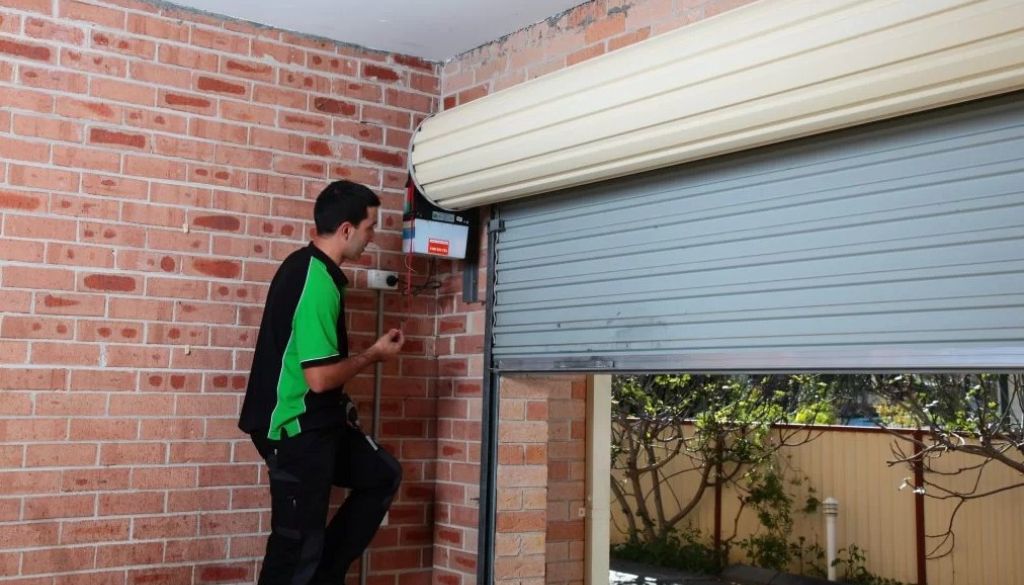
Fixing the whole system, not just the loudest symptom
People usually call for service when a part becomes inconvenient. The remote stops responding, the opener sounds wrong, or the garage door will not close properly. The real goal, though, is not to quiet the symptom. It is to restore a system that works smoothly and safely.
That means respecting the spring system for what it is, a high-tension component that should not be improvised around. It means recognizing that garage door alignment is not cosmetic, but central to how the whole setup performs. It means treating garage door opener repair as more than an electrical issue, because openers often reveal underlying mechanical strain. And it means understanding that in places like the Gold Coast, local conditions can increase wear and make regular service more valuable.
When you fix garage door systems with that broader view, repairs tend to last longer, components work less hard, and the door returns to being what it should have been all along: reliable, quiet enough, and uneventful. For a garage door, uneventful is a very good outcome.